The Short Answer
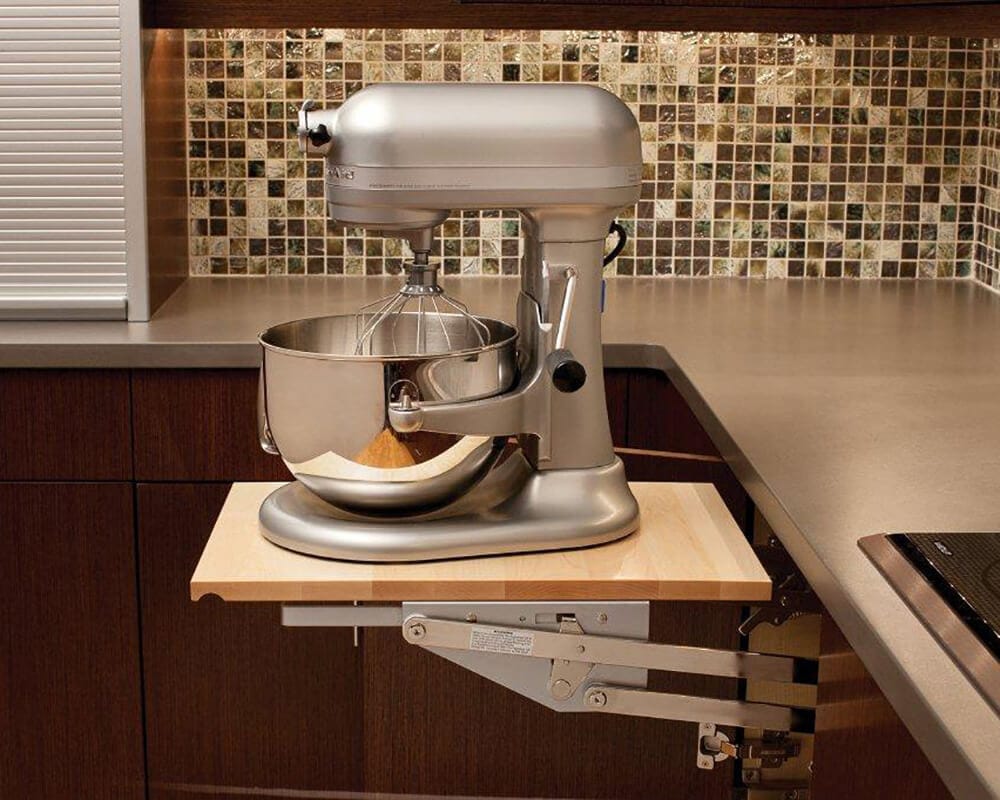
If you bake more than once a week, work with heavy doughs like bread or cookie dough, or make large batches regularly, a stand mixer will save you real time and effort. If you bake occasionally — a cake here, whipped cream there — a hand mixer does the job for a fraction of the price and counter space.
What a Stand Mixer Does Better
- Hands-free operation: Walk away while it kneads dough or whips egg whites to stiff peaks.
- Power for heavy mixtures: Bread dough, thick cookie dough, and large batches are much easier on a stand mixer's motor.
- Attachments: Many stand mixers support pasta rollers, meat grinders, and spiralizers — turning one machine into several tools.
- Consistency: The fixed bowl and beater path give more even mixing than a hand mixer moved manually.
What a Hand Mixer Does Better
- Price: Hand mixers typically run $20–$60 versus $150–$500+ for a stand mixer.
- Storage: Fits in a drawer — no dedicated counter space required.
- Flexibility: Easier to mix directly in a pot on the stove or in an oddly-shaped bowl.
- Great for light tasks: Whipped cream, cake batter, and light frosting are no problem.
A Simple Way to Decide
Ask yourself: how often do you bake, and what are you making? If your answer is "a few times a month, mostly cakes and cookies," a good hand mixer will serve you well and free up both counter space and budget. If you're kneading bread dough weekly, making large batches for a family or side business, or want the attachment ecosystem, the stand mixer is worth the investment.
Compare Stand Mixers & Hand Mixers
See ratings, prices, and side-by-side comparisons in our full catalog.
Tips for Whichever You Choose
- Look for at least 3 speed settings for real versatility.
- A tilt-head stand mixer design makes swapping attachments easier than a bowl-lift design for most home bakers.
- For hand mixers, check the wattage — 200W+ handles thicker mixtures noticeably better.